Aged care injustices wrong us all

Martin Luther King beautifully articulated a core union value when he said, “injustice anywhere is a threat to justice everywhere”.

I believe the injustices in aged care wrong us all,  both as health professionals and health consumers. And I think we must be more vocal in opposing the chronic undervaluing of both our elderly and those who care for them.

Everyone grows older. And everyone has family members who have grown older.

So why are older New Zealanders in care treated like second-class citizens? And why are those who do the caring work paid poverty wages?
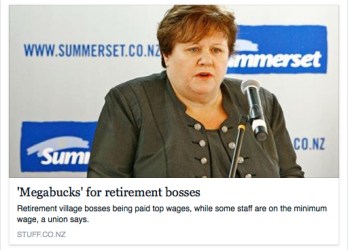
Megabucks for retirement bossesIn a sector where a quarter of workers are on the minimum wage, why do the managers get “megabucks”, as reported in the news last week?

Why does the managing director of Ryman Healthcare get $839,249 a year? Why is the chief executive of Metlifecare on $811,040?

In our hearts, we know why wages are low. The carers are predominantly women, who are traditionally undervalued in our society. And union density (the proportion of staff in a union) in the aged care sector has been too low to command the bargaining power needed to really change that.

And we know why the retirement bosses get megabucks.

Aged care has been largely privatised and corporatised in New Zealand, so that 77% of our aged care beds are now provided by private or corporate operators.

They are making huge profits. Ryman, for instance, has reported twelve consecutive years of record profit, and increased its wealth from $135 million to over $4.0 billion in the last 15 years. The job of corporate CEOs is to deliver a return to investors, and when they do it on this scale, they are richly rewarded.

But why then does our government, which pleads poverty when it comes to nurses’ pay negotiations, give Ryman over $800 million worth of taxpayers’ money every year?

The Fair Share for Aged Care campaign was jointly launched by NZNO and the Service & Food Workers Union Ngā Ringa Tota in 2004. It aimed to increase union membership and collective bargaining in order to raise pay and the quality of care in the aged care sector, and spawned the Fair Share News.

Through determined effort – including industrial action – the campaign has won improvements (or limited the deterioration) for workers and residents in some aged care facilities.

Elderslea Rest Home Strike 1.3.12_MG_8169 (crop)
Supporting a Fair Share for Aged Care, rain or shine – on the picket line with striking Oceania workers, March 2012.

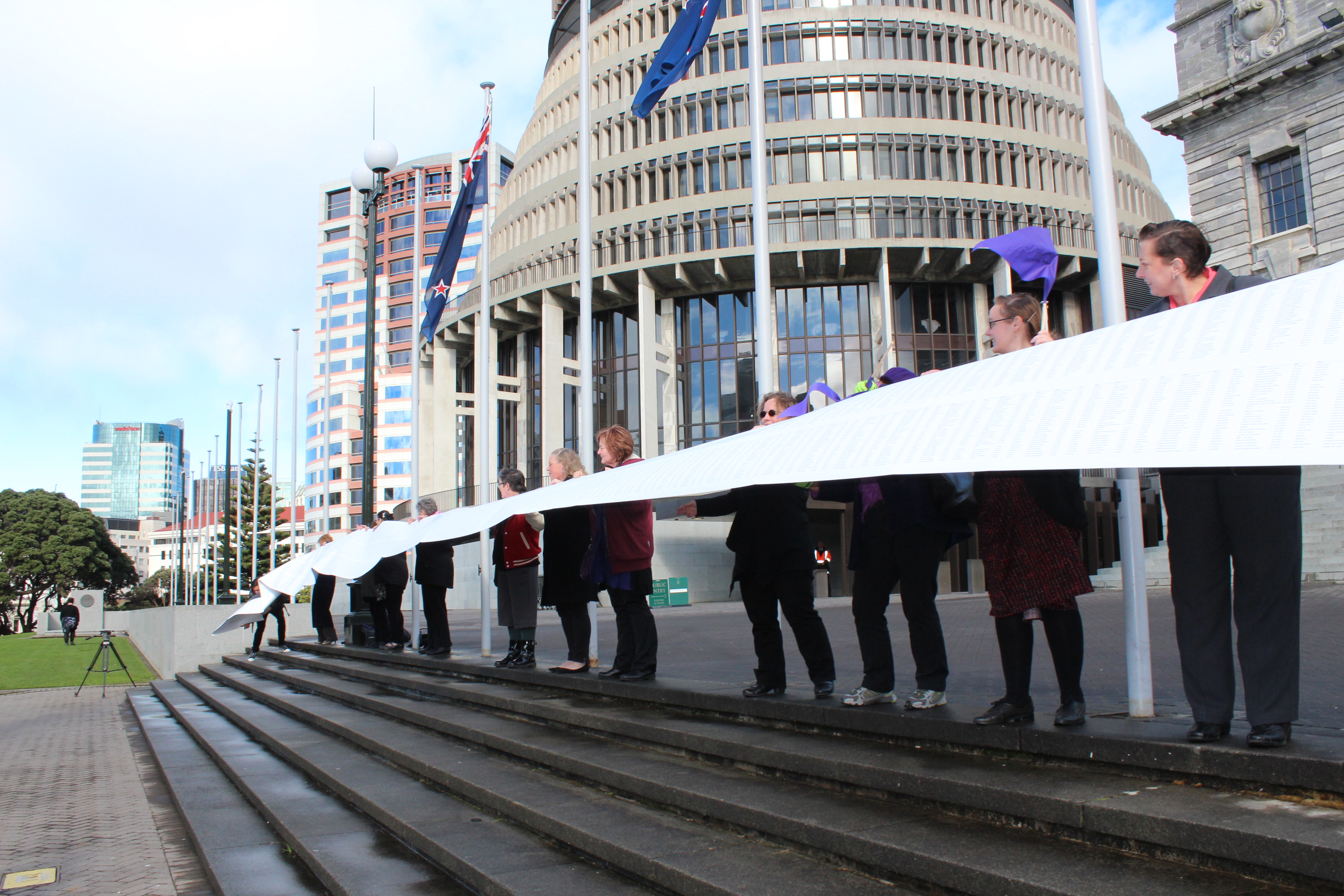
The Fair Share campaign has also taken the issues into the political arena. In 2011, Fair Share campaigners presented over 11,000 signatures in support of the Aged Care Charter to Parliament.

The Charter made four simple recommendations, each of which would have made a huge difference: Compulsory safe staffing levels and skill mix, fair pay and conditions, a nationally recognised training programme for all aged care staff and a guarantee that government funding is only used for care of residents.
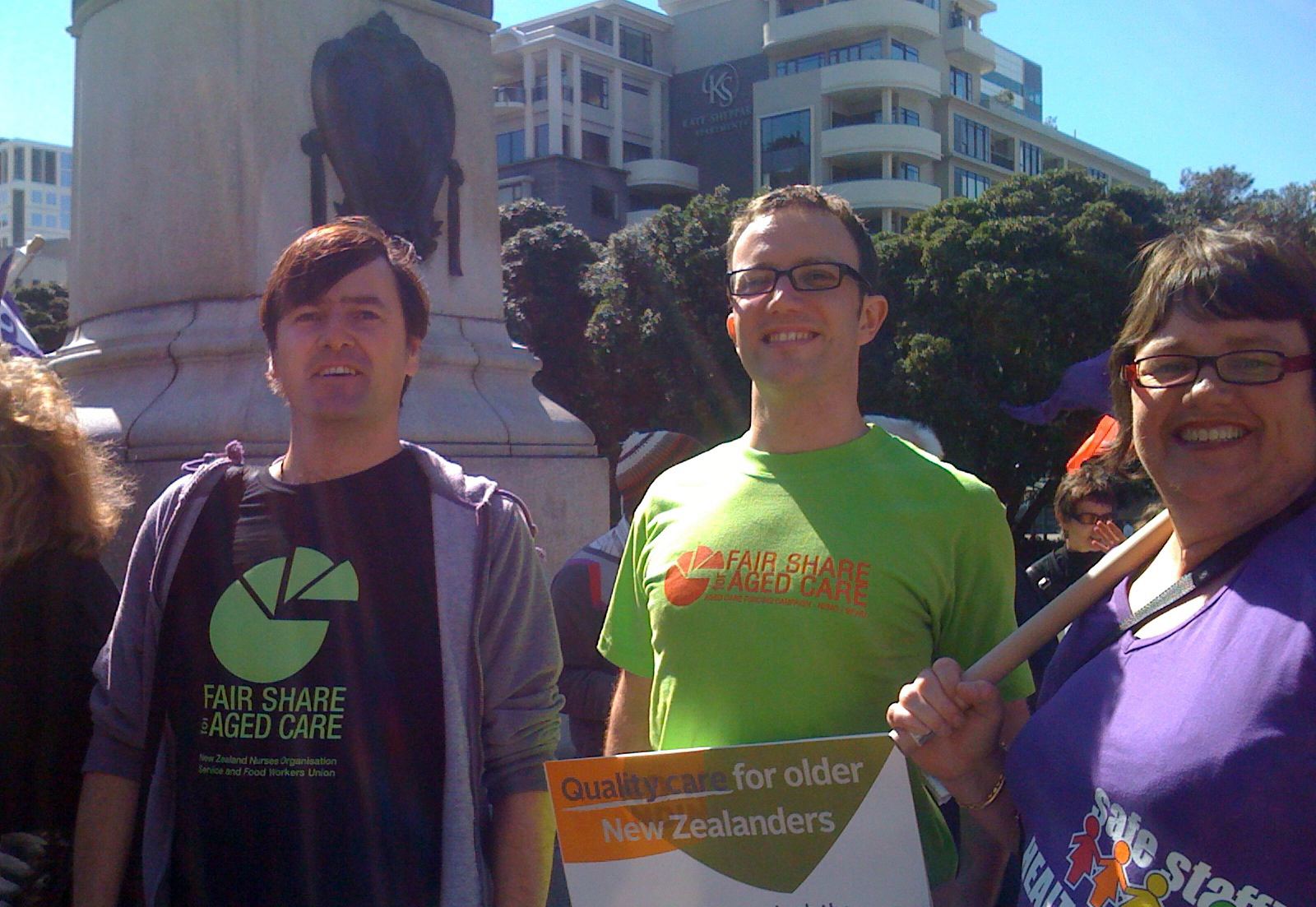
Aged Care Charter presentation2 29.9.11 (crop)
At the Aged Care Charter presentation at Parliament, September 2011

Why did the government, which claims to represent all New Zealanders, reject all four recommendations?

And why did it also reject the recommendations of the Human Rights Commission the following year, when they released their Caring Counts report? Especially given the comment by EEO Commissioner Dr Judy McGregor that, “In my time as Equal Employment Opportunities Commissioner there has seldom been the degree of unanimity about a work-related issue than there is about the low pay of carers”?

But despite the government’s snub, the Caring Counts report did give rise to a tripartite Summit, which I attended last year and wrote about on the NZNO Blog, to keep up the pressure for change.

Caring Counts Summit 22.7.14
Conveying solidarity on behalf of NZNO’s DHB National Delegates Committee, at the Caring Counts Summit last year.

The hard truth is that in 2015 we still have a long, long way to go.

To reach our destination, I believe that NZNO leaders must raise the volume in their opposition to the injustices in aged care. I’d like to see NZNO leadership be as vocal as the Service & Food Workers Union were in the news story above, about retirement bosses’ pay.

Because ultimately, why we are mistreated matters less than how we respond.

In the 2013 local elections, when I stood as the NZNO-endorsed candidate for Capital & Coast District Health, my number one priority was, “Putting the care back into aged care“. As NZNO President, I will be just as vocal in demanding we deliver dignity for older people and a fair share for Aged Care staff.

No-one denies that Aged Care is neglected. It’s the poor relation in the health system. Yet we, with our 46,000 voices, have the power to challenge and ultimately change that injustice.

I pledge to use my voice loudly against this injustice. Will you join me?
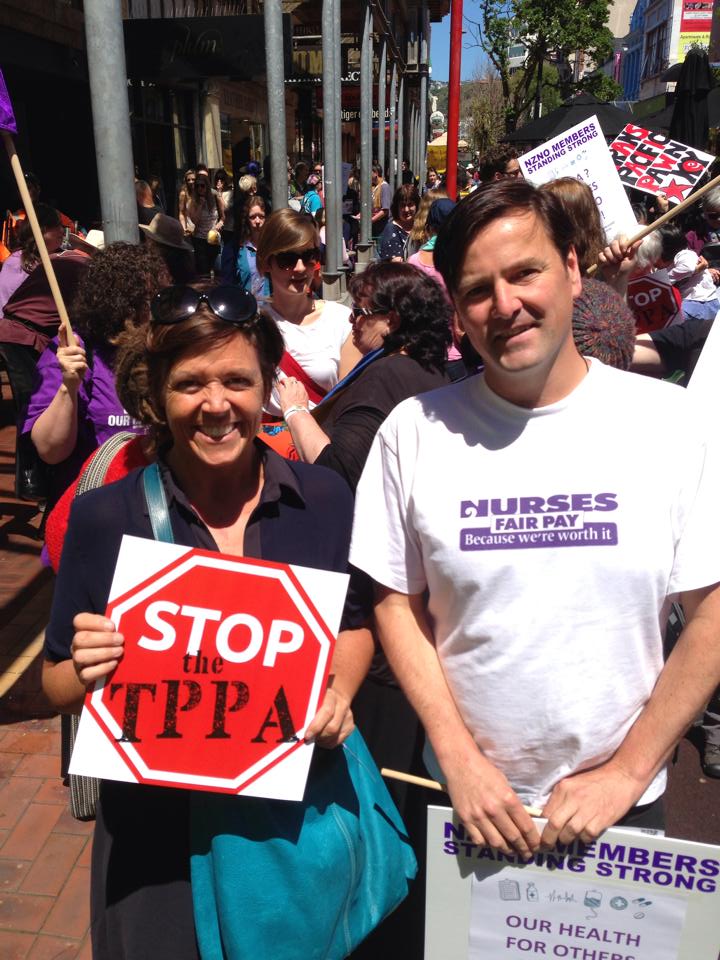
Nurse Power vs the TPPA

November 2014
Standing against the TPPA with Green MP Jan Logie, November 2014

Eyes around the world have been focused on Washington this week, as President Obama wrestled with US law-makers to get authority to sign the Trans-Pacific Partnership Agreement (TPPA).

So far, Congress has withheld the full “fast track” authority needed by the President. Without it, the controversial 12-nation trade and investment treaty could be sunk.

There’s a lot at stake for nurses in the battle over the TPPA.

Will we start to have more say in the health system? Or will we be further marginalised and ignored, as health decision-makers bow to threats of legal action in shadowy offshore tribunals, made by big corporations?

This prospect is why nurses in America have been lobbying hard to stop Congress from granting fast track authority to President Obama. And it’s why NZNO is part of the campaign to stop the TPPA here.

November 2014
Wellington nurses march against the TPPA, November 2014

We know that the TPPA would mean the dismantling of PHARMAC, leading to higher medicine costs. And it would mean legal challenges to public health measures such as those targeting smoking and obesity.

And we know that Prime Minister John Key’s comment this week that medicine costs won’t go up under the TPPA is not credible.

But our governing body, the NZNO Board of Directors, is not unanimous. Last year, it considered (and thankfully discounted) a proposal that NZNO should drop its opposition to the TPPA.

As one of the early campaigners warning of the dangers of the TPPA to New Zealand, helping to organise a speaking tour on the agreement back in 2011, I worked to get NZNO on board. And I’ve been a keen participant in NZNO activities against the TPPA ever since.

Opening a Lower Hutt public meeting on the TPPA, April 2011
NZNO street stall against the TPPA, May 2013

It is my belief that NZNO needs leaders who aren’t afraid to speak up if the Prime Minister makes inaccurate comments about health. And we need leaders who will strengthen our stand for nurse power against the TPPA.

The struggle for new graduate nurses

Last weekend, while visiting NZNO members in Christchurch, I met Sasha. CDHB 7.6.15 IMG_3366

Like hundreds of other final-year nursing students around the country at the moment, Sasha was celebrating the end of her three-year nursing degree, but facing the future with apprehension.

Firstly, there are State Finals coming up on 21 July. But a bigger uncertainty also looms.

New grads like Sasha are asking themselves, will I be one of the lucky ones who gets a NETP or NESP place? Will I get a job at all, to pay off all the debt I’ve accumulated?

It’s a real struggle for new graduate nurses today.

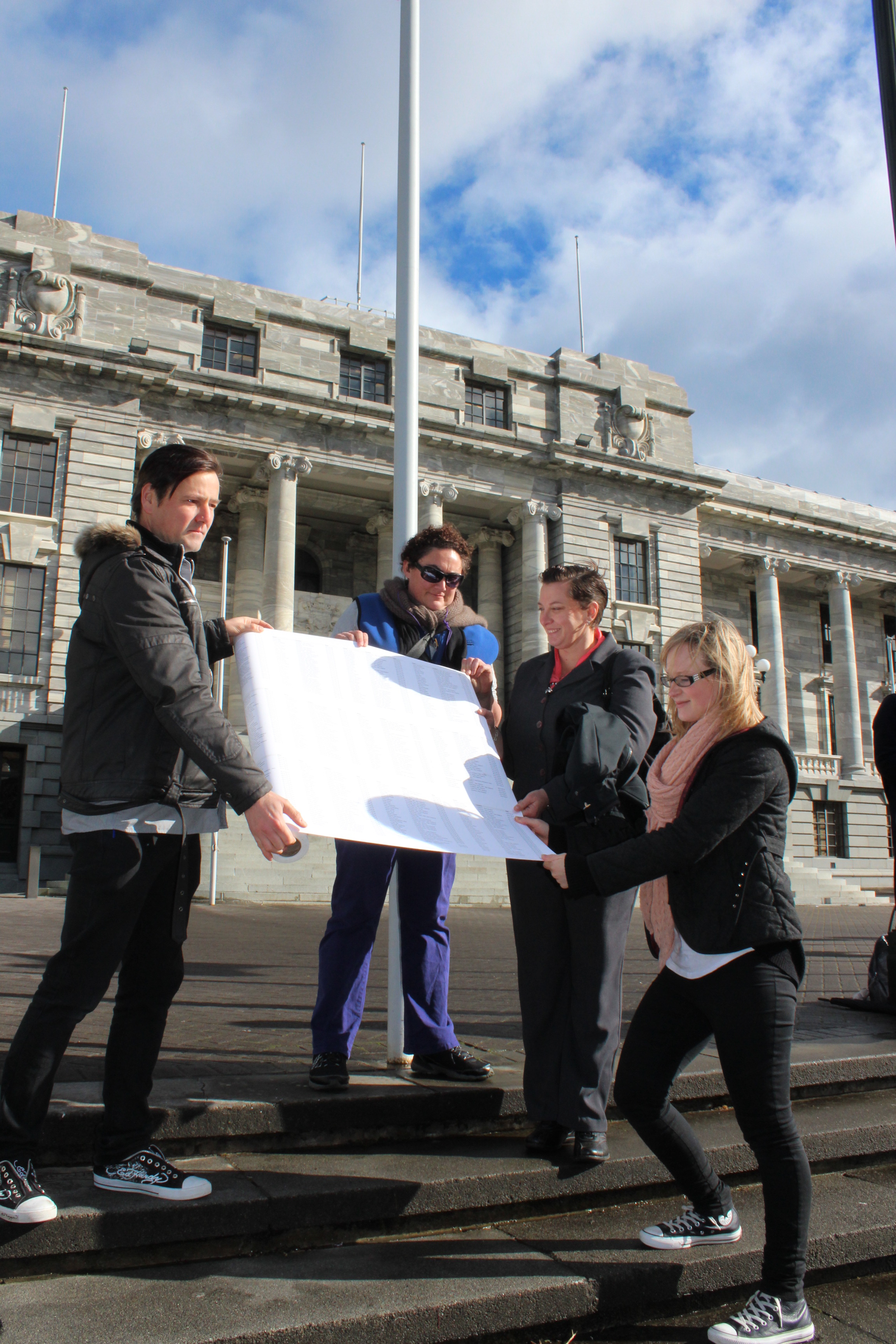
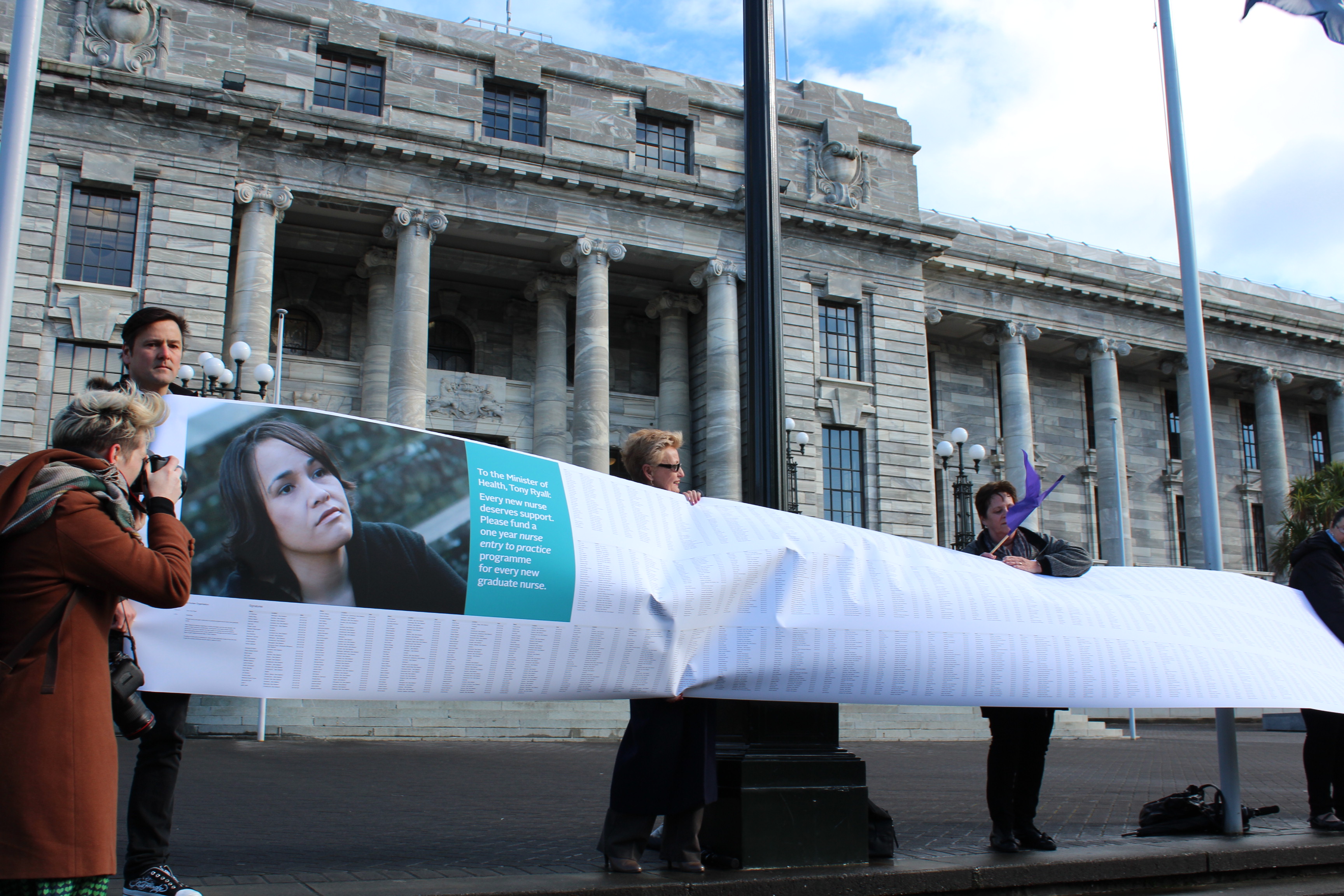
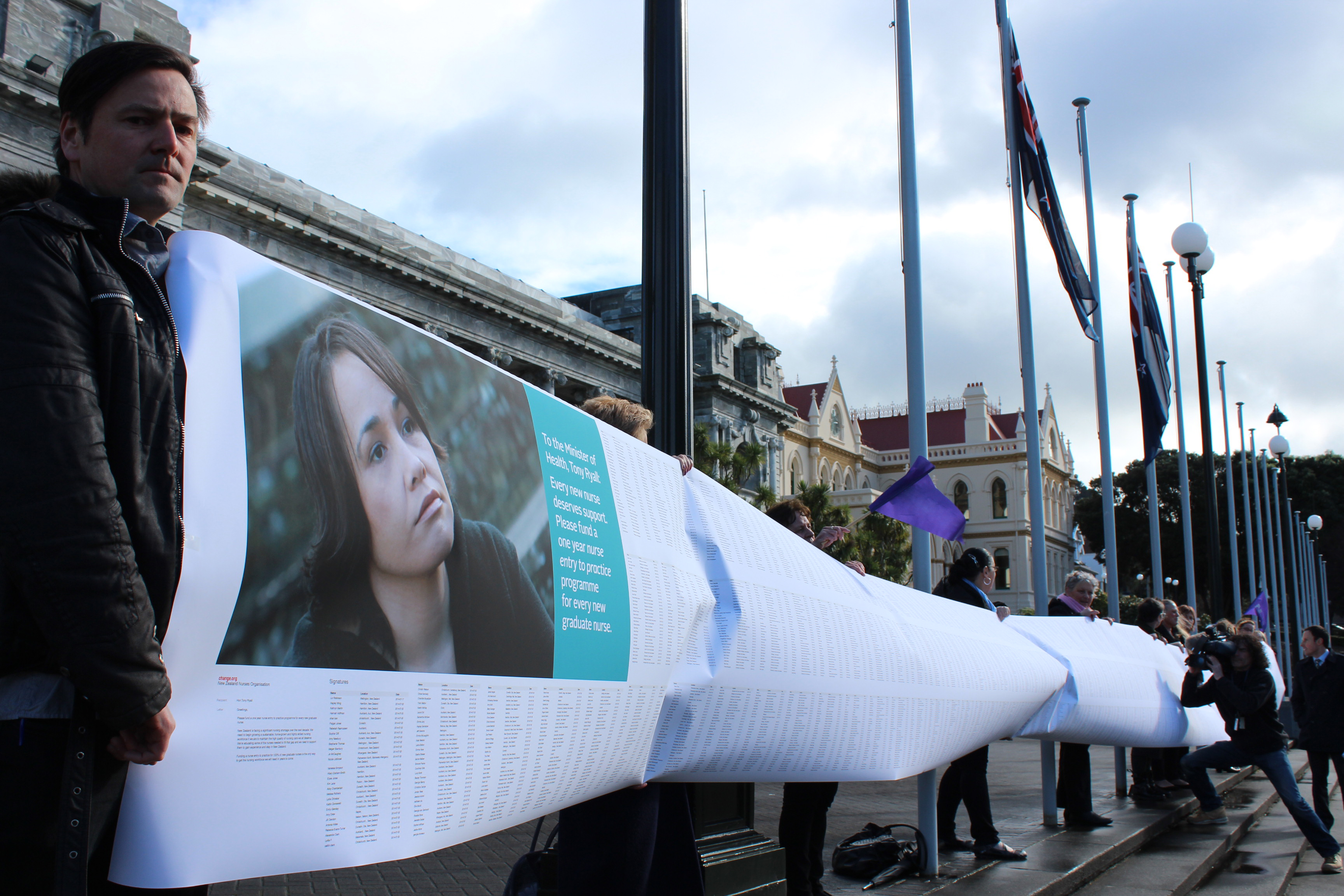
Last year, I was proud to be part of the NZNO campaign for a nurse entry to practice (NETP) position for every new grad nurse. The hugely popular campaign culminated in the presentation of an 8,000-strong petition at Parliament in August.

NZNO New Grad NETP petition 12.8.14 IMG_2963NZNO New Grad NETP petition 12.8.14 IMG_2987

NZNO New Grad NETP petition* 12.8.14 IMG_2990

NZNO New Grad NETP petition 12.8.14 IMG_2971

This collective action by NZNO members and supporters secured an extra $2.8 million from government to fund NETP positions for another 200 new grad nurses. It was a great win.

But there is still a long way to go. In March 2015, over 20 percent of last November’s graduates were still unemployed. And only 62 percent were in NETP or NESP (mental health) programmes.

Everyone admits that New Zealand is facing a big nursing shortage. The Nursing Council tells us it will impact by 2020. But as all the nurses working short-staffed know, in many areas it’s already here.

We need action to build up a sustainable, home-grown and highly skilled nursing workforce if we are to keep the high quality of nursing care we all deserve.

This is why I presented a remit on behalf of Greater Wellington Region to the NZNO AGM last September, “that NZNO prioritises new graduate nurse unemployment as a campaign issue in 2015”.

Delegates to the AGM voted to support this remit, but evidence of an NZNO campaign this year has been scarce.

Fortunately, in the upcoming NZNO elections all NZNO members have the opportunity to elect leaders who will drive this campaign forward.

As your NZNO President, I will lead the struggle for the future of our profession and keep on pushing for NETP places for all.

Nurses vote to reject DHBs’ offer

The message is overwhelmingly clear. NZNO members working for District Health Boards all around New Zealand have rejected the offer made by their employer as part of negotiations for a new Multi-Employer Collective Agreement (MECA). Details of that offer are here.

It’s not just the overwhelming majority who voted against – over 82 percent. The message is reinforced by the sheer number of NZNO members who stopped work to attend meetings where the voting took place.

In many DHBs, it was the largest turnout at ratification meetings since the height of the nurses’ Fair Pay Campaign which achieved the first national MECA a decade ago. In some areas, such as Lakes District Health Board, it was the biggest turnout ever.

Lakes DHB 21.5.15
Visiting Rotorua Hospital, part of Lakes DHB

As part of the vote, members were asked to write on the back of their ballot paper the issues they want their Negotiating Team to work on and improve. NZNO staff are now busy analysing that feedback.

But over the last three weeks, I travelled to seven DHBs in order to hear member feedback first hand as well. I attended dozens of ratification meetings, in my role as a member of the NZNO Negotiating Team. And I spoke with hundreds and hundreds of NZNO members who invited me into their workplaces.

WDHB 18.5.15
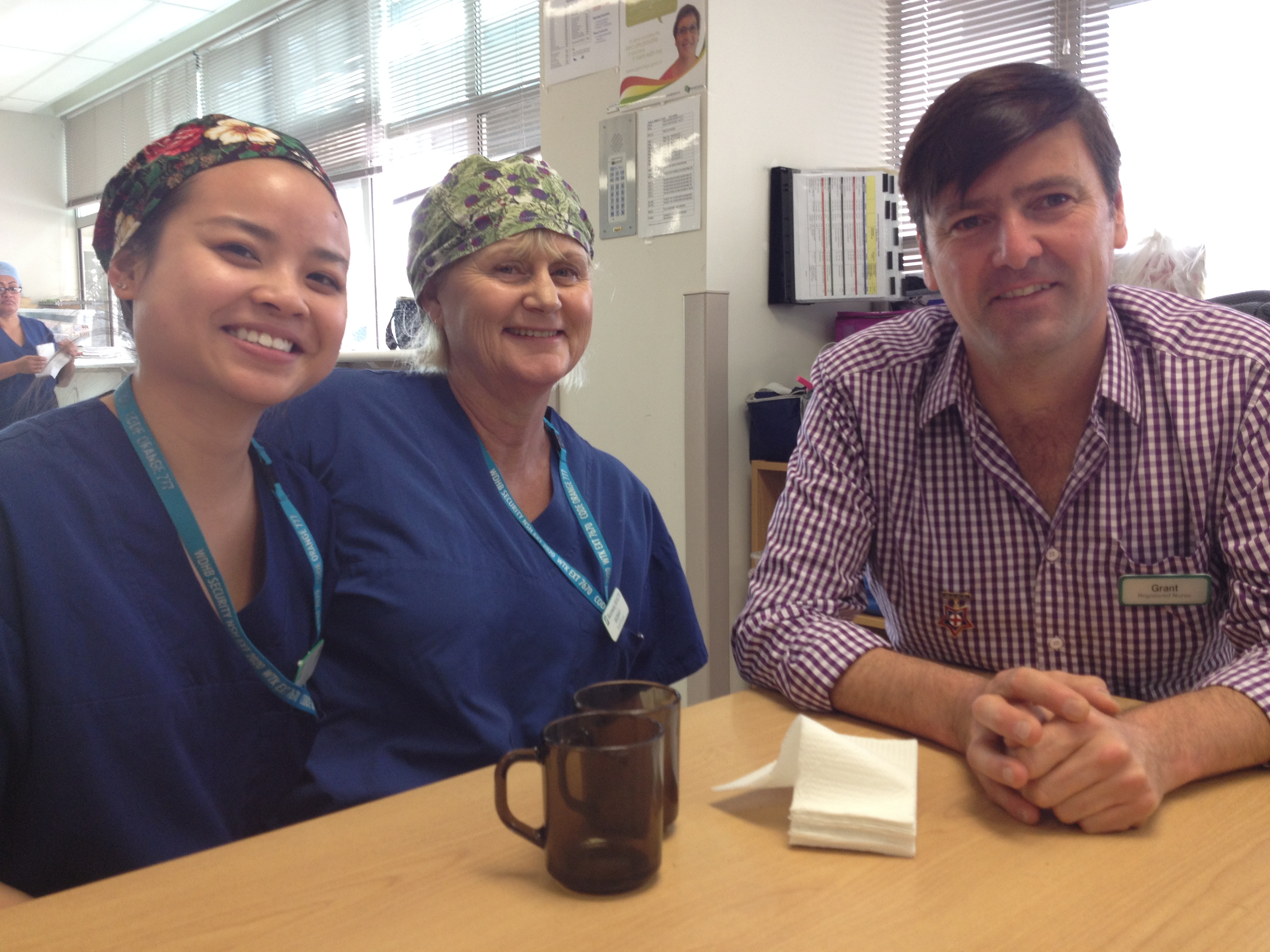
At Waitematā DHB
ADHB3 17.5.15
Visiting Auckland City Hospital.
Waikato DHB 20.5.15
Waikato Hospital in Hamilton.

Some common themes emerged. Firstly, we don’t have the staffing to safely care for the ever-increasing number of sick people coming through our doors.

Secondly, while the Ratification Bulletin outlining the employers’ offer ran to 12 pages, full of detail, one number in particular jumps out – the 1 percent figure for a pay rise this year.

And the employers’ refusal to look at many of the small, inexpensive changes which NZNO had asked for is symptomatic of a general lack of respect for nurses, midwives and health workers working in DHBs.

The NZNO Negotiating Team have arranged to meet urgently with the employers this Thursday. We will be sure to take your collective, nationwide feedback with us.

Celebrating International Nurses Day in Auckland

NZNO members in Auckland celebrated International Nurses Day on May 16 this year, with a stall at the Saturday morning markets in the suburb of Mangere. It was an honour to be invited to take part.

International Nurses Day is normally held on May 12, the anniversary of Florence Nightingale’s birth. But celebrating it on the following Saturday allowed members of the NZNO Greater Auckland Regional Council to continue a tradition of offering free health checks and health education to people in South Auckland.

This year, efforts were focused on smoking cessation advice and blood pressure checks.

lynnaire phone 754

lynnaire phone 753 (crop2)

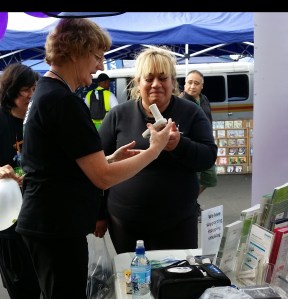
Karen from Smokefree Nurses Aotearoa/New Zealand showed off new nicotine replacement therapies.

Some of these have just been introduced in New Zealand and are not yet widely available.

She also measured peak flow readings.

Once again this year, Florence Nightingale made a personal appearance. Auckland seems to get all the luck when it comes to sightings of this venerated founder of our profession.

lynnaire phone 744 (crop2)

She doesn’t look 195 years old, does she?

My nursing vision: NZNO AGM 2014 panel debate

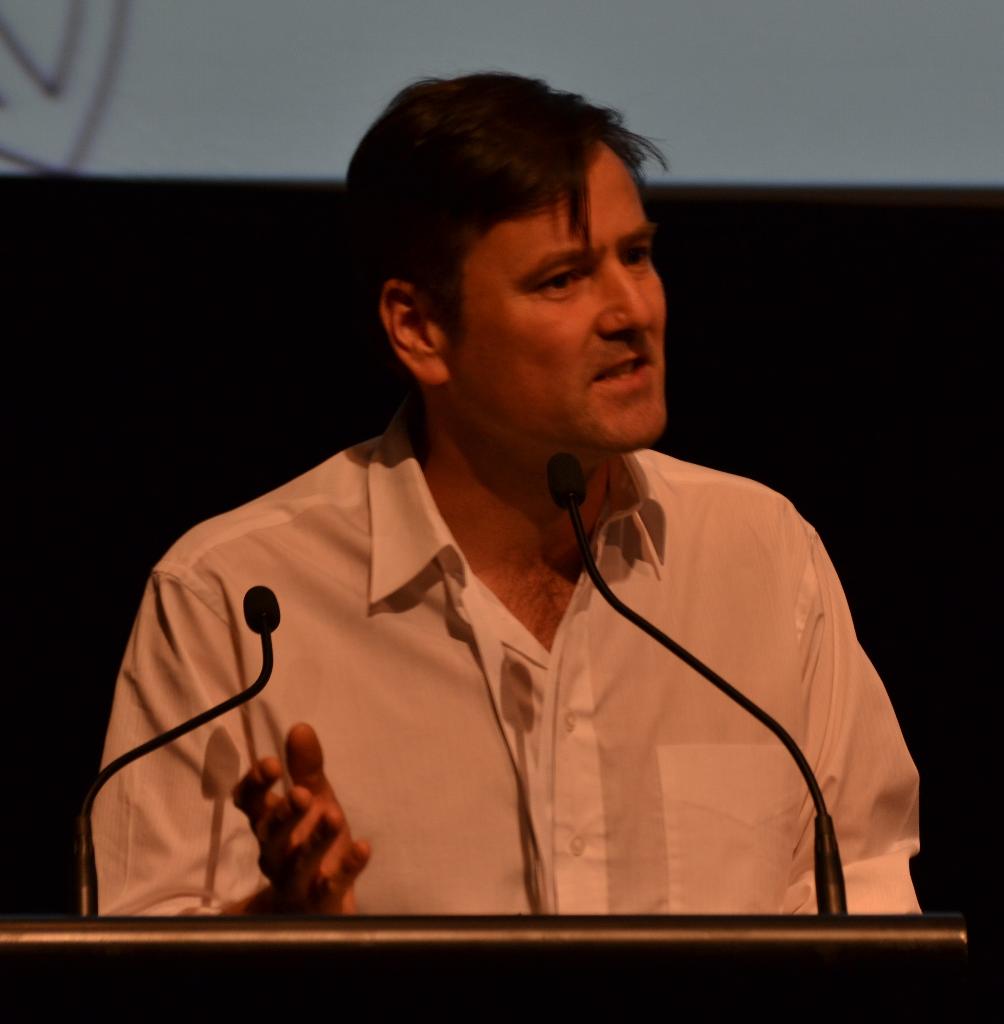
2014.09.17-18 NZNO AGM SC D3100 301 Grant BrookesAt the NZNO AGM last year, I was invited to take part in a panel debate, on the topic “that substitution is good for nursing”. I joined the team arguing the negative.

In my five-minute speech to the assembled AGM delegates, I explained why substitution is not good for nursing. In doing this, I gave an overview of my nursing vision.

_____________________________________________________________________________

‘The steamer ‘Chelmsford’ trading between Parengarenga and Auckland, left at 10 o’clock a.m. on Tuesday with myself, the only passenger. As soon as we got out of the heads it started to rock… [We] reached Parengarenga Harbour at 10 a.m. Thursday… I was only too glad to get up and go ashore, as this was the first time I put my clothes on since I left Auckland. Mrs. Yates… received me so warmly that I soon forgot the horrors of my trip on the boat. After half-an-hour’s conversation with her, I learned that there was sickness in the Pah across that Harbour…

“I went round to all the houses, and in each of these there was a sick person, children mostly…

“Next morning after breakfast I walked to another Pah, about four miles, saw eight patients there, got back to the school-house at 7 p.m., too late to get across, and at 9 p.m. a Maori came to get me to see a man who was very bad with coughing, he said, and was spitting up blood… On my arrival there at 11 p.m. (you have to feel your way carefully, or you may land on your head, as the place is full of gum holes) I found he was suffering from acute pain in right side every time he coughs. On examining the sputum I found it was rusty, and the temperature was 101.4, pulse 144 respiration 48… I left the old man much easier… After breakfast I went to see him again… after seeing 23 patients in the Hapua settlement I came away feeling very much depressed I wish I could have done more for them… I left on horseback, with a guide, a distance of eighteen miles. It poured all the way there, and I was drenched to the skin.”

Hearing these excerpts from a letter to Kai Tiaki, dated July 1909, we begin to see why the name of Akenehi Hei remains synonymous with excellence in nursing practice over a century later.

What stands out from her letter is the enormous effort she made to be with the patient, to be physically present. And the way that nursing, for her, meant being in a caring relationship. “Feeling” and “wishing”.

These essentials of nursing come up again and again, across cultures, across generations.

Writing in California in the 1980s, nursing theorist Patricia Benner famously derived the elements of the helping role from interviews and observations of expert nurses.

“the expert nurses here had the self-esteem and self-confidence to see the value of their presence for their patients”, she said. “They point to the importance of touch and person-to-person contact between patient and nurse.”

It’s this closeness, and this time spent with the patient and their family – what has been called “the privileged place of nursing” – that allows holistic nursing assessment and holistic care.

So, if substitution is good for nursing, then you would expect it to increase our person-to-person contact with our patients and their families. You’d expect it to increase the time we spend with them, and make care more holistic.

But we’ve already experienced substitution of nurses in the healthcare team, haven’t we? We’ve seen the proliferation of unregulated caregivers such as Health Care Assistants. What has it brought us, in reality?

It’s turning nurses into directors and delegators. Instead of spending time in contact with our patients and their families, we’re spending it instructing and supervising staff. We are growing ever more distant from those we care for.

As we assess what can be safely delegated, the holistic vision of nursing care disappears into a set of tasks, to be shared out around the healthcare team – each one to be completed as quickly as possible.

As more tasks are delegated, we are losing the ability to actually “know the patient”.

And it’s turning us from nurses, into documenters. Instead of nursing the person, we spend more and more of our time operating this computer keyboard. And we hate it!

Don’t you agree…?

On the NZNO facebook page last month, there was a lengthy discussion about the high profile roll-out of the Releasing Time to Care programme in Auckland. One comment from a Waitematā DHB nurse got more likes than any other by far: “My job is pretty much data entry”, she said, “with random acts of nursing!”

Who here can relate to that….?

Substitution is not good for nursing. It is destroying nursing.

To return to Akenehi Hei, nursing is first and foremost about human contact, face to face, kanohi ki te kanohi.

Nō reira, rurea, taitea, kia tū ko taikākā anake.

In the words of this Māori proverb, strip away the bark and expose the heartwood.

See substitution for what it is. At its core, substitution is bad for nursing in New Zealand.”

• The NZNO AGM 2014 panel debate was also reported in Kai Tiaki Nursing New Zealand.

NZNO members flock to DHB MECA Ratification Meetings

Meetings are now under way in District Health Boards around the country for NZNO members to vote on the employers’ offer. This week, I was invited to attend six of these Ratification Meetings.Grant Brookes at ratification meeting HVDHB 5.5.15 (crop) copy

As a member of the NZNO Negotiating Team, it is enormously encouraging to see the huge number of members turning out.

Hutt Valley was the first DHB to finish its scheduled Ratification Meetings, with all of them being held between 0900 and 1630 on Tuesday.

At times, it was standing room only, as the room filled to overflowing.

Final numbers at HVDHB showed that nearly twice as many members attended this week’s meetings, compared with the MECA Endorsement Meetings held last October.

Reports from around the country tell a similar story, with big turnouts everywhere.

The Negotiating Team does believe that this offer provides some important improvements. But it has not sufficiently addressed some of your key issues as endorsed at last October’s meetings. So we are not making a recommendation to accept it.

Last October, an article I wrote for the NZNO Blog said that “Together we can win; for ourselves and our patients“. But it went on to explain:

Callout

This remains true today.

It is now for all members to decide on whether to accept or reject the offer. Details of the meetings where you can have your say are available by clicking here. The more members who actively participate, the stronger the message.

It is vital that all NZNO members attend a meeting and cast your vote and give the Negotiating Team the clear direction we need.

The signs so far this week are that you’re doing exactly that.

DHB members: Time to vote on your MECA

stock-footage-traditional-style-alarm-clock-ringing-the-alarm-bells

Your negotiating team has done its part. We have presented your issues and claims to the District Health Boards, and received their offer in reply. You can download the Ratification bulletin summarising the offer by clicking here.

Now it’s up to all the NZNO members covered by the DHB Multi-Employer Collective Agreement to play your part.

Meetings will be held in every DHB from 4 May to 21 May. There, members will vote on whether to accept the employers’ offer, or to reject it. Click here to see the full schedule of meetings.

Your negotiating team is not making a recommendation to accept the offer. It is you, the members, who must now decide.

It’s vital that all NZNO members working in DHBs attend a meeting, cast a vote and give the negotiating team the clear direction that we need in order to take the next steps. If you can’t get to a meeting in your usual worksite, you can attend a meeting anywhere else in the country.

This is your collective agreement so your vote really does count!

Promoting NZNO responsiveness to members

arrowsThe NZNO Membership Committee met in Wellington on 26 March. They key issue for discussion was improving the group’s effectiveness.

The Membership Committee is one of two new standing committees of NZNO, along with Te Poari, which were established when the Constitution came into effect in 2012. Its purpose is still not widely understood.

The Committee performs an important, but difficult function. Primarily, it provides the Board of Directors (BOD) with insight into the views and needs of the diverse membership of NZNO at the local level. In doing this, it has to articulate regional, college, section and student membership issues and ensure that NZNO is responsive to the needs and issues of members.

But it is difficult to articulate issues when they are not being voiced strongly by members through these bodies. The difficulty has been compounded by, and contributed to, a high turnover of committee members and chairpersons since 2012. In addition, said resigning chair Jennie Rae, there has also been a perceived lack of support for the committee from BOD.

The meeting elected a new chair, Hawkes Bay Regional Council representative Sandra Corbett, and adopted plans to improve effectiveness.

Reports of member issues were given. For colleges and sections, a focus of work at present is the development of nurse prescribing. Member issues in the regions included private hospital mergers and DHB integration, increased use of on-line learning for professional development in their own time, and the DHB MECA campaign. National Student Unit representative Sacha Lawrence spoke about the student survey and about recruitment issues.

As well as articulating member issues, the committee also helps to administer the Florence Nightingale Fund to support nurse education, in partnership with Te Poari. And it works on specific projects, as agreed with the BOD.

The meeting decided to take up the issue of voting strengths at the NZNO AGM, which sets the overall strategic direction and policy of the organisation. Currently, AGM voting is by group. So if a member belongs to more than one group (for example, Te Rūnanga and a college or section, as well as a region), then their vote is counted more than once. Previous attempts to resolve this problem have been unsuccessful.

The elected representatives on the Membership Committee comprise one person from each Regional Council, two from the National Student Unit and two from the Colleges and Sections. If members would like issues to be raised with BOD, they can contact their representative via the Membership Committee webpage.

  • Report by committee vice-chair and Greater Wellington Regional Council rep Grant Brookes. An abridged version of this article appears in the April 2015 issue of Kai Tiaki Nursing New Zealand.

Why I’m standing for NZNO President

election_logoI am one of you.  As a practising nurse, I know the realities for members delivering care in the community and at the bedside.  I experience the pressures of unsafe staffing, low pay and unfair treatment at work. But I know that together, we’re strong enough collectively to change all that.

I’m standing for President to inject new energy into NZNO.

I will speak up for members seeking to be respected, valued and given the resources needed to do the job. And I will keep NZNO focused on tackling the distressing health inequalities we see daily in our practice.

As your next President, I will accept only my current Staff Nurse pay rate. NZNO members work hard for their money, and there are better uses for the dues you pay than a six-figure presidential salary.

I will bring the passion born of decades of activism, coupled with the prudent stewardship shown in governance roles within NZNO and in the wider health sector.

Too often, professional issues in nursing are viewed separately from industrial realities. And our common cause as nurses, midwives and healthworkers can get lost.

I bring all-round experience, having served at the highest level in both the industrial and professional wings of our union. I have  been active in NZNO’s Aged Care, Primary Health and Private Hospital Sectors, as well as heading the National Delegates Committee for the DHBs. This year, DHB Sector members have shown their trust in me, electing me onto the team negotiating the MECA for all 26,000 of us.

I also bring a proven track record in governance. From my role in leading the efforts to make our Constitution more democratic, to my present role as Membership Committee Vice-Chair, I have worked to make NZNO more responsive to members. I have chaired my NZNO Regional Council, served on NZNO’s Board of Directors and I now represent the Council of Trade Unions on the Board of the Newtown Union Health Service.

In 2013, I was honoured to be the only North Island candidate in the DHB elections to receive NZNO endorsement.

No one person can embody all the rich diversity of our membership. But as a professional, I know when I’ve reached the limits of my own knowledge and experience, and when I need to listen to others. In this way, I will also strengthen NZNO’s bicultural partnership.

I pledge to:

  • Be accessible to members. I will be available to you, in person in your locality or via email and social media.
  • Make your issues visible. I have the credibility and the media skills to get nursing onto the agenda for decision-makers, and for the public they’re accountable to.

This election is about your choice, your voice. Use your vote to elect Grant Brookes as your NZNO President.

_____________________________________________________________________________

Te take e tū ana ahau hei Perehitini mō NZNO

Ko ahau tētahi o koutou.  He nēhi ahau, nō reira e mōhio mārika ana tēnei ki ngā āhuatanga katoa o ngā mema e mahi tahi ana me ngā hapori, ki ngā taha moenga tūroro hoki.  Kua waia ahau ki ngā pēhitanga, ki ngā utu koretake, ā, ki ngā mahi tūkino e pā mai ana ki a tātou ngā nēhi.  Engari e mōhio ana ahau, mā te mahi tahi ka taea e tātou te piki i ngā taumata angitu.

E tū ana ahau hei Perehitini kia whakakahangia te NZNO me tētahi riaka hou.

He māngai ahau mō ngā mema e whai ana i tēnei mea te mana me te ihi i roto i a tātou mahi, ā, kia riro i a tātou ngā rauemi katoa kia rangatira ai te mahi nēhi.  Ā, ka aro tōtika te titiro a NZNO ki ngā rongoā whakaora ai i ngā raruraru hauora ka kite atu i roto i a tātou mahi, ia rā, ia wā.

Mei ka tū hei Perehitini, ka whakaae ahau ki te utu nēhi anahe.  He pukumahi ngā mema NZNO nō reira he maha atu ngā kaupapa pai ake hei utua ka tika, atu i te utu nui o te Perehitini.

Ka mau mai ahau āku hiahia, āku mahi katoa i whānau mai i ngā tekau tau ki muri, āku mahi kāwanatanga i roto i te NZNO, ā, i roto hoki i te rāngai hauora whānui.

I te nuinga o te wā, ka titiro wehenga rua ngā tikanga ngaio ki ngā ahumahi o te nēhi.  Ā, ka ngaro atu tā tātou kaupapa kotahi, nēhi mai, kaiwhakawhānau mai, ā, kaimahi hauora mai.

Ka mau mai ahau āku wheako katoa mai i āku tūnga ahumahi, ngaio hoki i mahia e au kei ngā taumata teitei o te uniana.  He tangata pukumahi ahau i roto i ngā wāhanga e toru o NZNO, arā te Tiaki Kaumātua, Hauora Matua, Hauora Motuhake, ā, me taku tūnga whakahaere i te Kōmiti Taraketi ā-Motu mō ngā DHB.  I tēnei tau, i waimārie au nā te mea i tohua ahau e ngā mema o te rāngai DHB ki runga i te rōpū whakahaere te MECA mō ngā mema nēhi 26,000.

Ā, ka mau mai anō ahau āku pūkenga, āku mahi kāwanatanga.  Mai i āku mahi whakamanapori mō tā tātou ture kāwanatanga ki taku tūnga ināianei, arā te Heamana-tuarua o te Kōmiti Mematanga, ā, ka mahia e au kia whakararata a NZNO ki ōna ake mema.  I tū ahau hei Heamana mō taku NZNO Kaunihera ā-Rohe, i noho i runga i te NZNO Poari mō ngā Kaitohu, ā, ināianei ko ahau te māngai mō Te Kauae Kaimahi i runga i te Poari, Newtown Union Health Service.

I te tau 2013, nōku anō te hōnore ko ahau anahe o ngā kaitono o Te Ika-a-Māui i whiwhia i te tautoko a NZNO mō ngā kōwhiringa DHB.

E kore taea te tangata kotahi ki te whakatinanatia i ngā momo katoa o ā tātou mema.  Engari e mōhio mārika ana he aha āku pūkenga me āku wheako, ā, e mōhio hoki ana āhea ahau ka whakarongona ki ētahi atu.  Nā reira, ka taea e au te āwhina atu i te NZNO me tōna kaupapa tikanga rua a te tāngata Māori me te Pākehā.

Nāku ēnei kupu taurangi:

  • kia wātea ahau ki ngā mema katoa kei tō ake takiwā, kei runga īmēra raini, ā, kei te pae pāpāho pāpori hoki.
  • kia puta ai o tātou kaupapa nēhi i te pō ki te whaiao, ki Te Ao Mārama.

He kōwhiringa tēnei mōu nō reira kei a koe te tikanga, kei a koe tō ake reo.  Ā, whakamahia i tō pōti kia tū ai a Grant Brookes hei Perehitini mō NZNO.

======

Previous relevant experience/Āku mahi, āku tūranga, āku wheako hoki

DHB MECA Negotiating Team (2014-present)

Membership Committee: Greater Wellington Region rep & Vice-Chair (2014-present)

Mental Health Nurses Section: Committee Member & Journal Co-editor (2014-present)

Newtown Union Health Service: Board Member (2013-present)

DHB National Delegates Committee: CCDHB rep & Convenor (2008-present)

NZNO-endorsed candidate for CCDHB (2013)

NZNO Board of Directors (2012-13)

NZNO Greater Wellington Regional Council Chair (2010-13)

NZNO Relief Organiser (2010)

NZNO Workplace delegate (2002-present)